
The Second Kitchen is Bringing Back Refreshing Rooms
How the "back kitchen" became the most authentic room in the house

When the architect walks clients through their newly finished home in Piedmont, California, the kitchen gets polite nods. White oak cabinets, marble countertops, and a subtle gray backsplash compose the tasteful, timeless kitchen, designed to fade into the rest of the open-plan living space. Then the architect opens what appears to be a tall cabinet door near the pantry. Behind it is a second kitchen, with forest-green subway tile climbing to the ceiling, open shelving with mismatched ceramics, and a brass farmhouse sink. This is where the clients went wild.
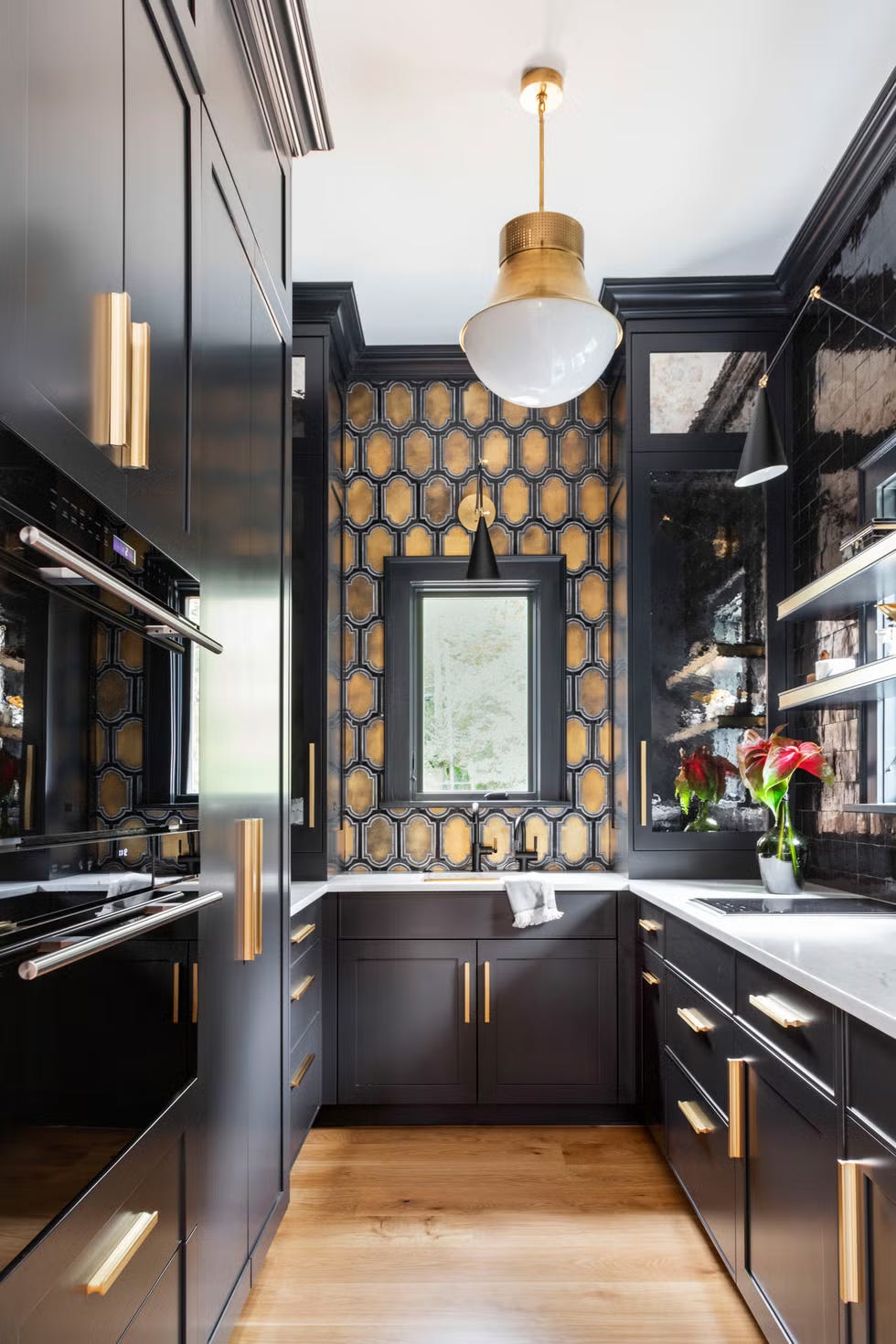
There’s a deliberate contrast here. The first kitchen is for guests to gather in, wine glass in hand, whereas the actual cooking happens in the second kitchen…along with several cutting boards, dirty pots, and scraps of food. The central kitchen has a bowl of artfully arranged lemons; the back kitchen has two industrial-grade ovens with a dash of rustic, weathered wood.
This arrangement of a showpiece kitchen for gathering and a working kitchen for the mess has become increasingly common in new luxury construction and renovations over the past five years. Real estate agents have a variety of names for it: the “messy kitchen,” the “prep kitchen,” or, reaching back to the Victorian era, the “scullery.” But whatever it’s called, the second kitchen represents an unexpected reversal from open, egalitarian living spaces to cordoning off sections of our home once again.
The trend toward a gathering-place kitchen and the need for a working kitchen come from a collision of modern hosting preferences and practical realities. Open-concept floor plans became ubiquitous over the past two decades, promising light, space, and togetherness. But these plans mean clutter in one room affects neighboring rooms. In a kitchen, this means the pile of dishes in the sink, the splattered stovetop, and the pungent smells.
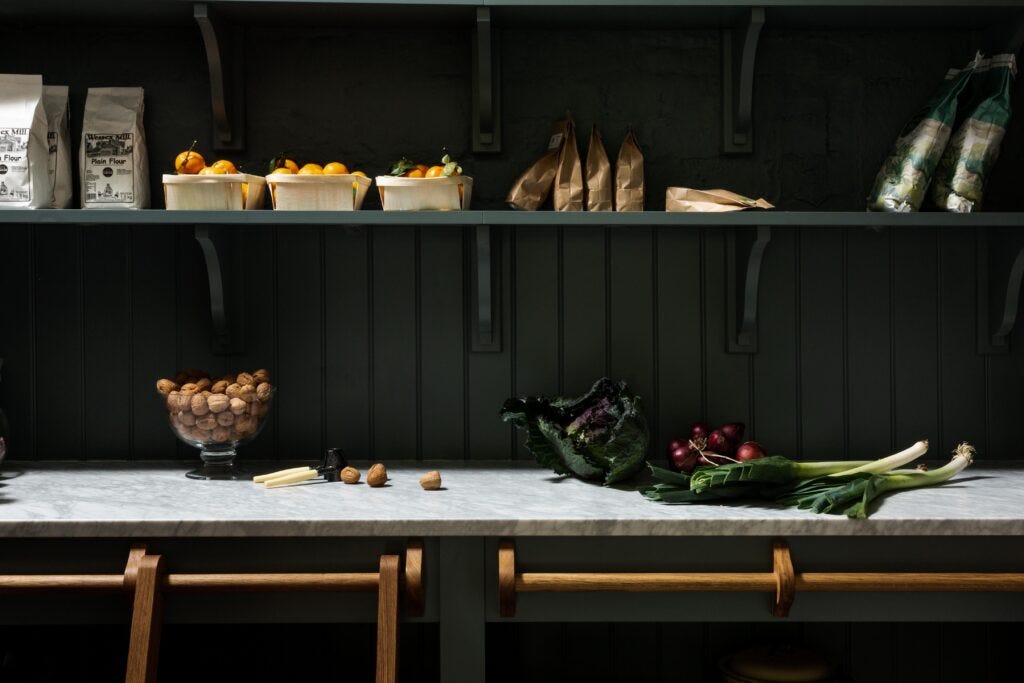
At the same time, we’ve moved on from formal, sit-down dining rooms. Fewer homeowners want a separate, cordoned-off space used only for special occasions. Instead, the kitchen has absorbed that social function, allowing guests to move freely between the food and other guests and to quietly exit when needed, in contrast to a dining room.
But the kitchen still has to be a kitchen: a place to chop, sauté, and clean. That dual role creates a problem because you can’t host and prep in the same space without one undermining the other.
The second kitchen solves this by splitting these roles. The front kitchen becomes a stage-like space with clean, composed designs for gathering. The back kitchen becomes the workshop. It’s more than a luxury add-on; it’s a response to how we actually want to live, creating a room that’s casually social without the visible process.
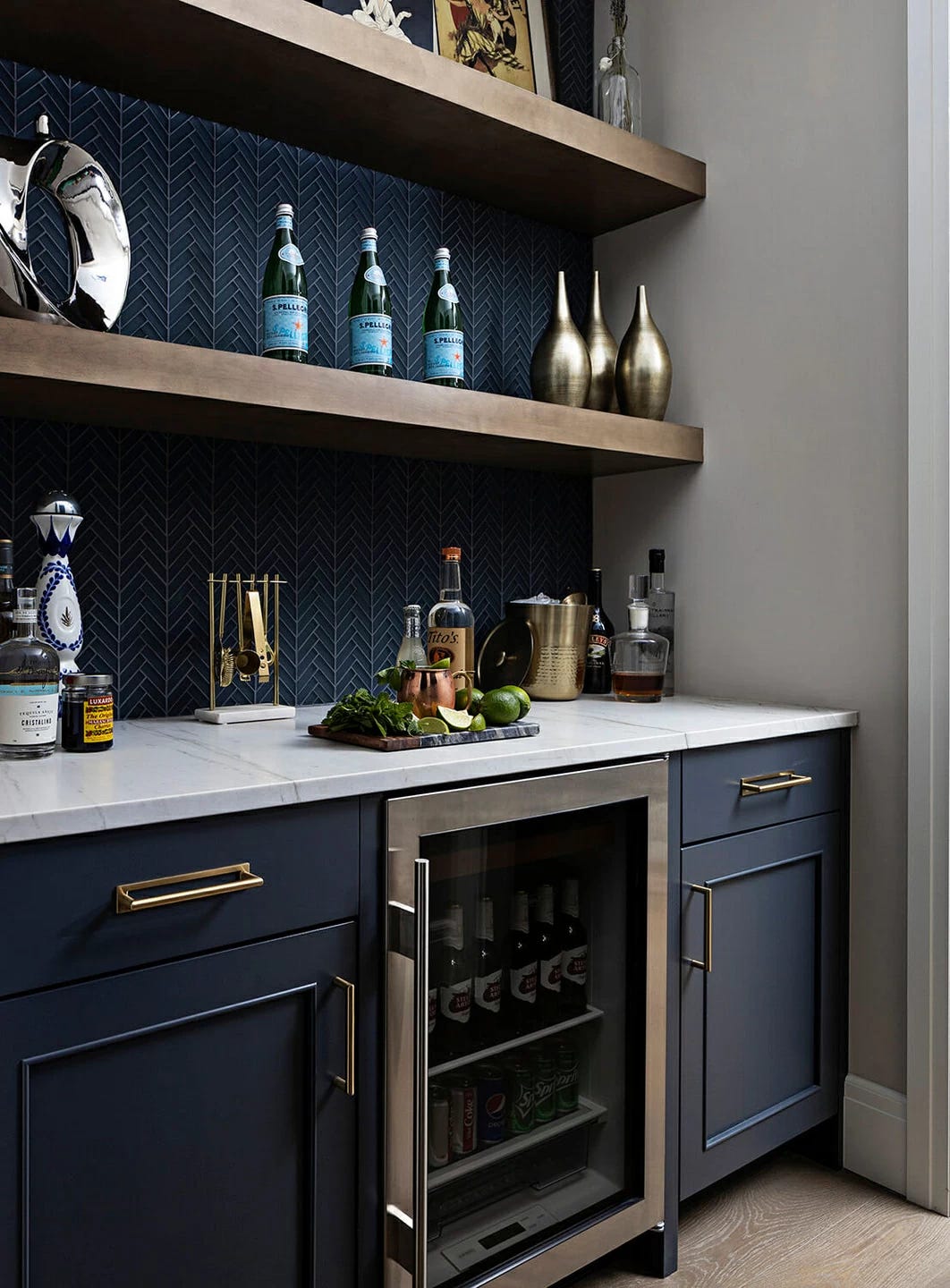
What’s unique about this trend is how designers consistently advise homeowners to treat these spaces differently. The main kitchen is expected to be timeless and inoffensive, matching the rest of the home. The back kitchen is where owners can add bold wallpaper, colorful tile, patterned backsplashes, statement lighting, or any other aesthetic or functional preferences, since it is hidden from the rest of the house.
Since the back kitchen reflects so much more of the owner’s personality, it’s often a preferred place to be. When a room combines the functionality required of a kitchen with the owner’s unfiltered character, we see a refreshing space in the back kitchen—one we rarely see in the rest of the house.
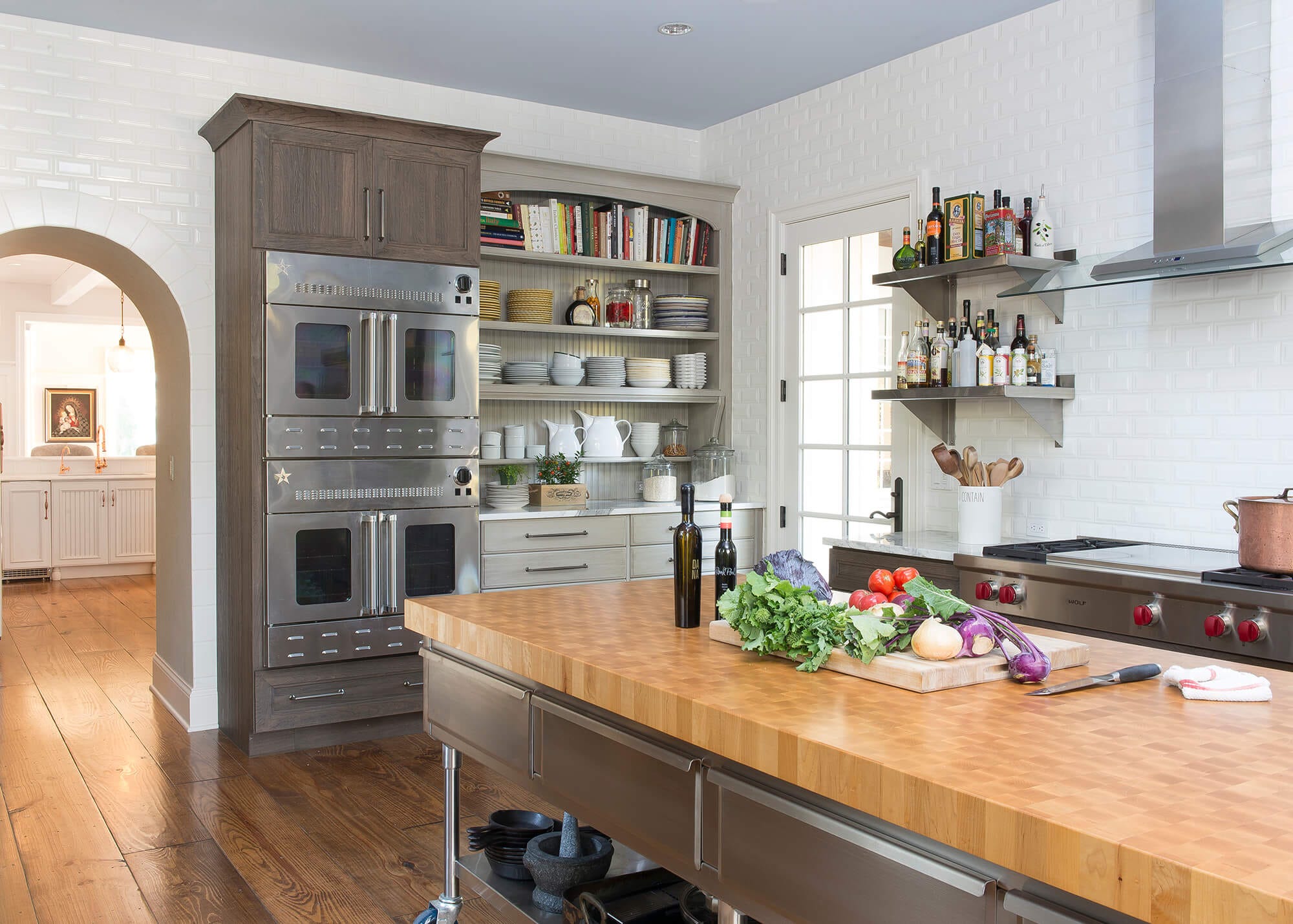
In the Piedmont house, the owners spend most of their cooking time in the green-tiled scullery. It’s where they test recipes, where their kids learn to bake, where the real heartbeat of the household happens. The beautiful front kitchen holds the wine and serves as a gathering spot for guests, but it’s essentially a facade.
The back kitchen, then, offers something valuable: permission to be expressive in a space built for function. It’s a room where personality and practicality complement rather than compete. When we design spaces that reflect how we actually live, rather than how we think we should live, we end up with rooms we genuinely want to spend time in.